Oura brings Health Radar, Nighttime BP and GLP-1 Insights to more than 30 new markets, including the whole EU. What the new Oura Ring features do.
In short
- Since October 6, 2026, Oura has been rolling out Health Radar, Nighttime BP, Cuff Inputs and GLP-1 Insights in more than 30 new markets, including all EU countries and the UK.
- Health Radar analyzes blood pressure signals and nighttime breathing in the background and surfaces patterns worth paying attention to.
- The features require an Oura Ring Gen3 or newer, run on iOS and Android and, according to Oura, are intended for general wellness purposes.
Health features for more than 30 new markets
Smart ring maker Oura, founded in Finland in 2013, is opening part of its health platform to many more people. Health Radar and GLP-1 Insights are becoming available in more than 30 new markets, including every country in the European Union, the United Kingdom, Canada, Australia, New Zealand, Mexico and Saudi Arabia. The rollout began on October 6, 2026, and continues over the following weeks.
Dr. Ricky Bloomfield, Chief Medical Officer at Oura, sees both features as tools for areas of health that can easily go unnoticed. They are meant to help members have informed, proactive conversations with their healthcare providers, with the aim of “helping them to live healthier, longer.”
Health Radar: watching blood pressure and breathing
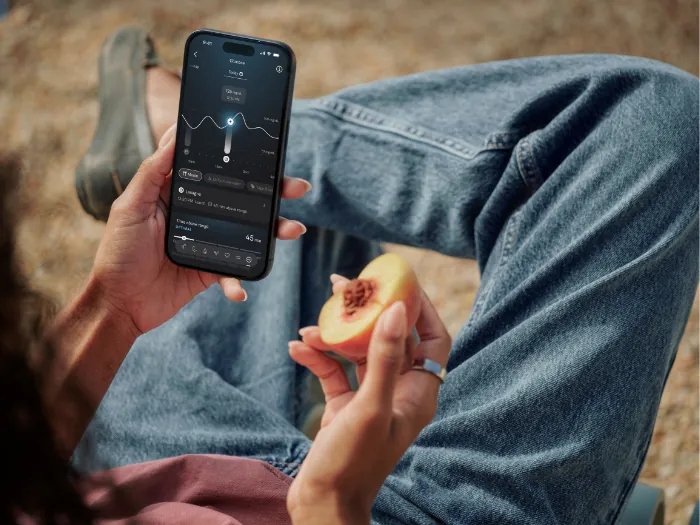
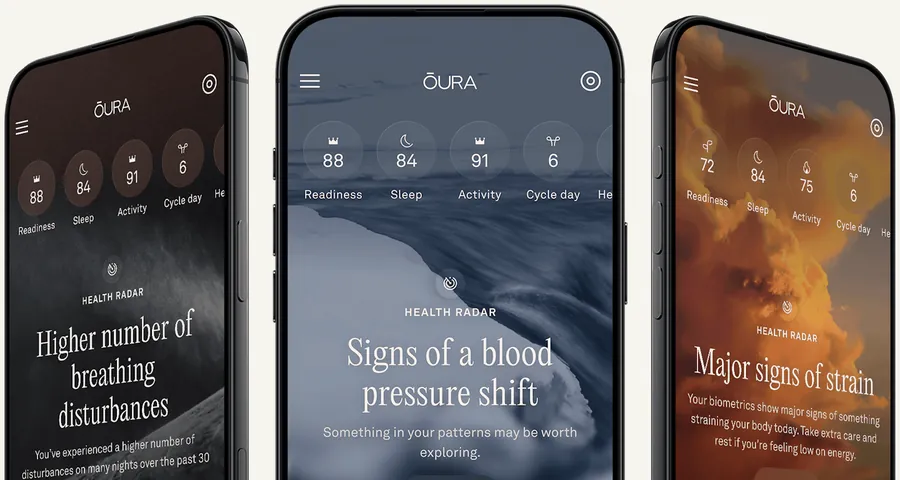
Health Radar builds on Symptom Radar, which Oura launched in 2024. The older tool mainly helped members recognize when something felt off. Health Radar takes the next step, keeping an eye on key biometric signals in the background and pointing out patterns worth attention. According to the company, it was designed together with more than 40 in-house M.D.s and Ph.D.s. It rests on two foundations: blood pressure signals and nighttime breathing.
Oura calls Blood Pressure Signals its most significant step yet into cardiovascular health. The ring keeps watch for changes and patterns that could point to strain on the cardiovascular system. The aim is to help members take preventive action, understand what the signals mean and think about possible next steps.
The night reveals what the day hides
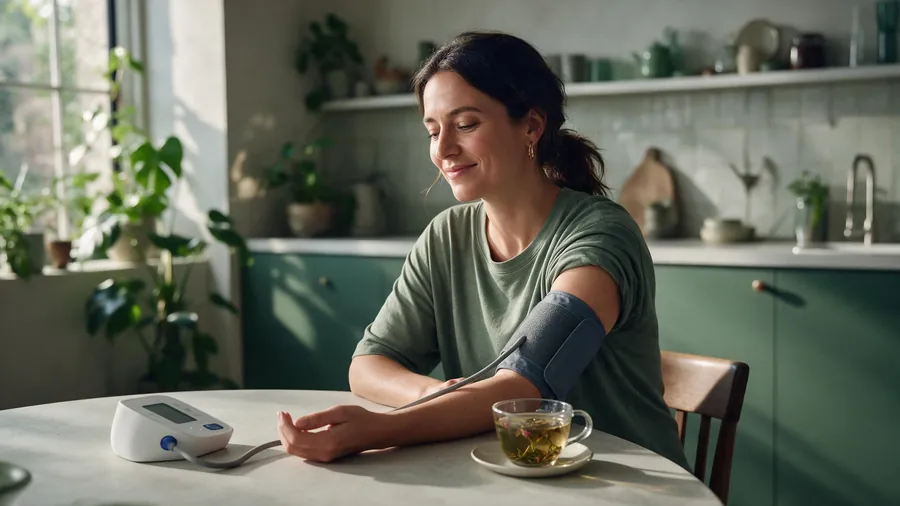
Nighttime BP and Cuff Inputs complete the picture. Nighttime BP is designed as a wellness feature that shows how blood pressure related patterns shift during sleep. The reasoning: without activity, stress and caffeine, an important pattern stands out more clearly. Normally, blood pressure falls during the night. If that dip is regularly missing, Oura says this can be a sign of cardiovascular risk that daytime readings may miss. To spot these dipping patterns, the ring reads PPG signals while its wearer sleeps. With Cuff Inputs, readings from a classic cuff monitor can be logged in the Oura App and connected to the ongoing trend.
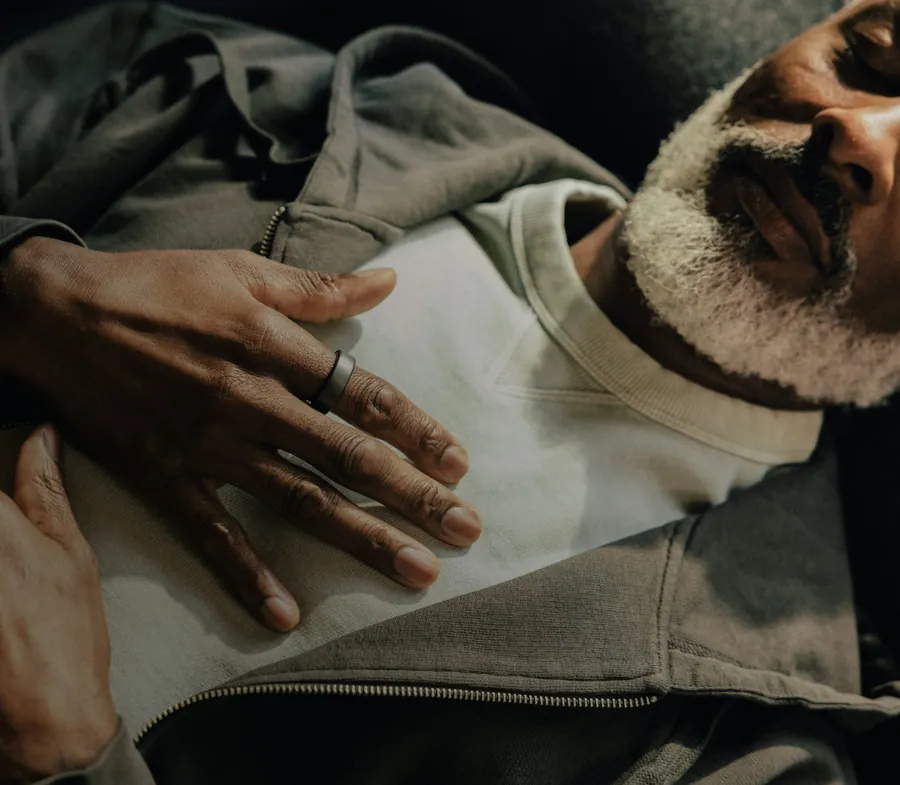
Nighttime Breathing provides a rolling 30 day view of sleep related breathing patterns and disturbances. It extends the breathing regularity card that already appears each night and explains when changes in breathing may be affecting sleep and when an evaluation by a healthcare professional may be worthwhile.
GLP-1 Insights: one record instead of many apps
The second addition is aimed at people taking GLP-1 medications. Oura points to projections that global use will surpass 100 million people by 2030. Users often switch between several apps for doses, side effects, weight and body data. GLP-1 Insights brings dosing and schedules, logged side effects and weight together with Oura’s data on sleep, activity, readiness and stress in one continuous record.
What members should know
All new features run on iOS and Android and require an Oura Ring Gen3 or newer. Oura stresses that the Health Radar features are intended for general wellness purposes only: they do not diagnose and do not replace a clinician’s judgment, and the company does not prescribe medications or recommend dosage changes. Oura is headquartered in San Francisco, with its EU headquarters in Oulu, Finland.
Try it
Longevity ScoreTwelve questions about sleep, movement, food, stress and habits: your estimated biological age and the three levers with the biggest effect.Sleep CalculatorWhen do you have to get up? The best bedtimes by 90-minute cycles, or the other way round: when you should wake up.This article is general information and not medical advice. If you have symptoms or existing conditions, or before changing any medication, talk to your doctor.
Share